
For professionals
If you're a social worker or community-sector practitioner looking for training, reflective practice or external supervision, start with clinical supervision. Clinical supervision and reflective practice →
If you're looking for training for your team, Jodie offers a variety of tailored programs. Training and professional development →
Read about what other have said about her training and leadership. Testimonials →
If you would like to refer a family to Jodie, start with referrals. Referring a family to Jodie →
Supervision for people doing some of the hardest work in the sector
My approach to supervision is grounded in nearly thirty years of practice across child protection, out‑of‑home care, disability, early intervention, and clinical and cultural governance leadership.
I’ve spent my career helping practitioners, teams, and organisations create safer, more connected, trauma‑responsive environments for children and families. My work now focuses on reflective practice, external supervision, and capability building for practitioners doing some of the hardest work in the sector.
I offer both individual and group supervision.

Individual Clinical Supervision
Reflective. Trauma‑informed. System‑aware. Grounded in real‑world practice.
My supervision approach is shaped by:
the Sanctuary Model
the PASE® Model
reflective‑practice traditions (Kadushin, Morrison, Gibbs)
clinical governance leadership
statewide practice reform
workforce capability development
teaching and academic experience
Supervision supports you to:
deepen your understanding of complex family systems
strengthen clinical reasoning and ethical decision‑making
navigate organisational pressures with clarity
build confidence in high‑risk environments
PASE® Supervision Model developed by Tracey Harris, Amovita International (Harris, 2019, Routledge).
Fees
Individual supervision — 60 min — $130
Individual supervision — 90 min — $160
Not sure whether it’s a fit?
Request a supervision fit‑check
A short conversation — via message or scheduled call — to explore:
your scope
your supervision needs
timing and availability
whether my approach aligns with what you’re looking for

Group Reflective Practice
Small‑group reflective practice online, for practitioners working with children, young people, and families in complex, high‑acuity environments. Groups are capped at eight practitioners so every voice fits comfortably into a two‑hour session.
These sessions offer a safe, facilitated space to:
reflect on complex work with children, families, and systems
explore practice challenges, ethical tensions, and decision‑making
strengthen shared learning and professional insight
reduce isolation and support practitioner wellbeing
build confidence in navigating high‑risk, high‑pressure contexts
Group reflective practice is grounded in the same principles that underpin my individual supervision: trauma‑responsive practice, cultural safety, the Sanctuary Model, and a “power‑with” approach that honours practitioner expertise. Sessions are structured enough to stay purposeful, yet spacious enough for genuine reflection and shared meaning‑making.
Online delivery is deliberate, not a compromise — it enables practitioners in regional SA, small agencies without an internal supervision culture, and interstate colleagues to access high‑quality reflective space without travel barriers.
Fees
Group reflective practice — 2 hours — $80 per person (5–8 people)
Not sure whether it’s a fit?
You’re welcome to request a supervision fit‑check — a short discovery conversation (via message or scheduled call) so we can check scope, timing, and whether the way I work aligns with what you’re looking for.
Your Questions, Answered
-
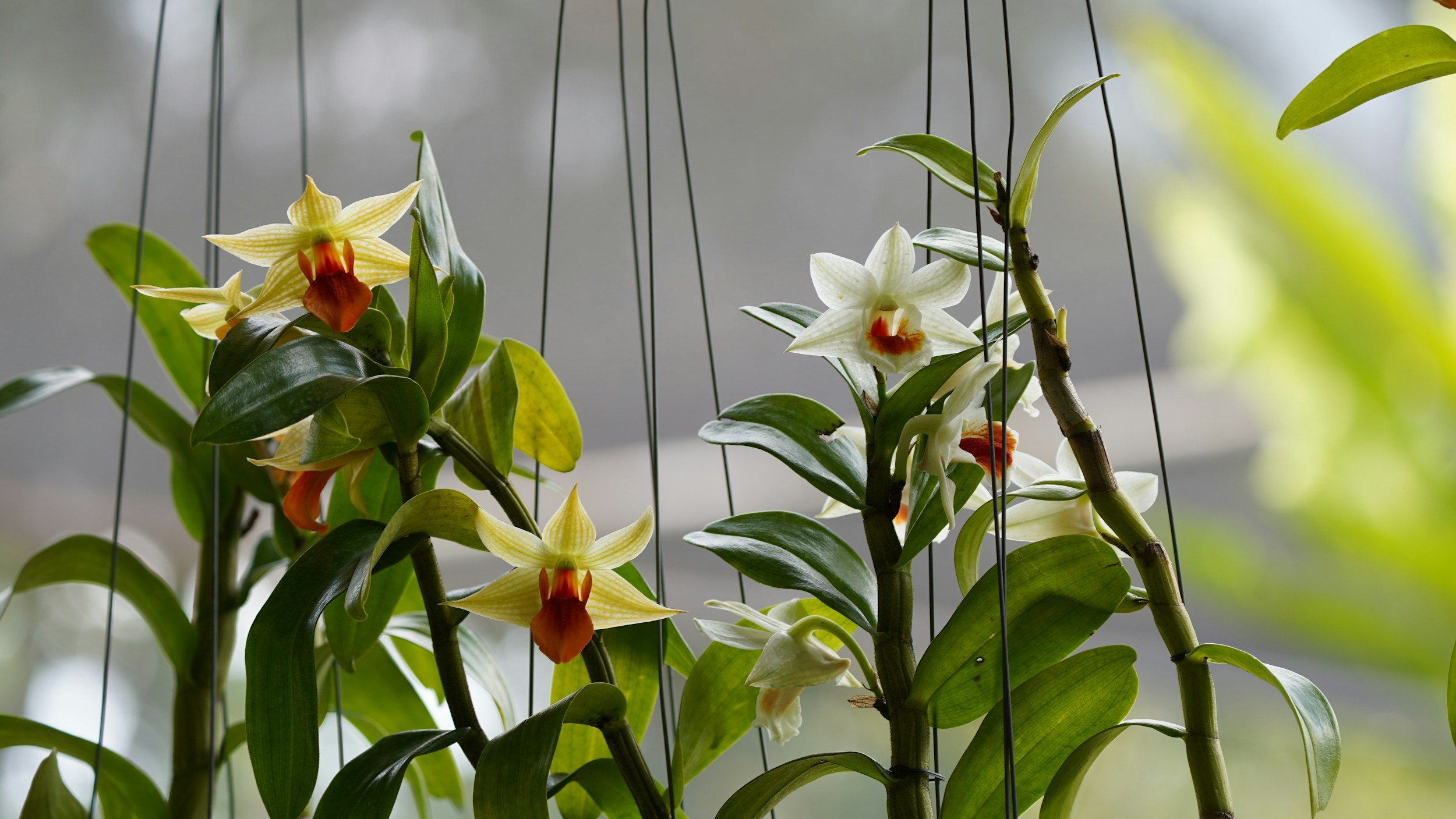
Orchids grow in complexity. So do practitioners.
Supervision is not about performance. It’s about thinking clearly, staying well, and holding complexity with confidence and care.
-
Reflective. Trauma-informed. System-aware. Grounded in real-world practice.
My supervision approach is informed by the Sanctuary Model, trauma and attachment theory, neuroaffirming and culturally safe practice, and years of clinical governance leadership in complex service systems. It is also shaped by lived experience as a parent of neurodivergent children.
I work alongside practitioners with a power-with approach — steady, reflective and grounded in evidence-informed practice.
Supervision is person-centred, developmentally informed, partnership-based and inclusive of diversity. It offers a reflective space to slow down, make sense of complexity, strengthen practice and sustain yourself in the work.
Together we may explore clinical thinking, ethical decision-making, risk and systems dynamics, cultural responsiveness, parallel process, and professional growth.
Grounded, thoughtful supervision for practitioners seeking not only accountability and reflection, but support to keep flourishing in the work.
-
I provide reflective, external supervision for people doing some of the hardest work in the sector:
Social workers - qualified and emerging practitioners
Community services practitioners
Child protection workers (statutory and non‑statutory)
Family support workers
Kinship and out‑of‑home care assessment and support practitioners
If you’re an allied health practitioner (OT, speech, psychology), an NDIS support coordinator or support worker, a behaviour support practitioner, or a disability support worker, you may be better supported by a supervisor within your own discipline.
-
Step 1 — Establish a safe, reflective relationship
Grounded in trust, cultural safety, and trauma‑responsive practice.
Step 2 — Clarify role, responsibilities, and context
Understanding your scope, expectations, and system pressures.
Step 3 — Build capability and confidence
Developing skills in clinical reasoning, ethics, risk, documentation, trauma‑responsive practice, and complexity.
Step 4 — Reflect using the PASE® Model
Exploring Practice, Administration, Support, and Education.
Step 5 — Review, integrate, and plan
Ending with clarity and next steps.
-
External, Line-Management-Aware Supervision offers a separate reflective space that sits alongside - not instead of - organisational or registration-required supervision.
Particularly suited to practitioners navigating high-risk work, statutory contexts, vicarious trauma, ethically complex decisions, neurodivergence-layered family systems, or heightened scrutiny and system pressure.
-
My work is informed by contemporary evidence in human development, attachment, trauma, neurobiology and recovery from chronic stress, alongside trauma-informed frameworks such as The Sanctuary Model. It is grounded in relational, developmental and systems-based perspectives, and informed by principles of self-determination and cultural rights.
Training and Professional Development for Organisations
Raising Orchids offers high‑impact, evidence‑informed training designed to strengthen capability, confidence, and wellbeing across teams who work with children, young people, families, and vulnerable communities. All training can be tailored to the unique needs, context, and workforce of your organisation and can be delivered through structured programs or through reflective practice sessions.
With over 25 years’ experience leading clinical practice, workforce development, and service reform across child protection, disability, out‑of‑home care, family violence, youth mentoring, and community services, Jodie brings deep expertise in translating complex therapeutic frameworks into practical, accessible learning.
Training Available Through Raising Orchids
Trauma-Informed & Developmentally Attuned Practice
Build a clear, practical understanding of trauma, attachment, and regulation. This training supports practitioners to respond with intention - creating safe, attuned, and developmentally responsive environments where children and young people can flourish.
Neuroaffirming & Inclusive Practice
Move beyond deficit-based models toward truly inclusive, strengths-led support. Learn how to understand neurodivergence, respond to sensory needs, and deliver respectful, neuroaffirming practice across home, school, and community settings.
Co-Regulation, Emotional Support & Family Work
Support regulation through connection. This training offers practical, real-world strategies to help children, young people, and their caregivers feel safe, understood, and supported - strengthening relationships as the foundation for flourishing.
Reflective Practice, Supervision & Clinical Thinking
Strengthen how practitioners think, not just what they do. Develop reflective capacity, ethical decision-making, and meaningful supervision practices that support thoughtful, grounded, and sustainable work.
Trauma-Responsive Leadership & Organisational Culture
Grow leadership that holds complexity with care. This offering supports leaders to build psychologically safe, connected teams and embed trauma-informed principles across systems - creating workplaces where both people and practice can flourish.
Tailored Learning for Your Organisation
Every organisation is different. Raising Orchids offers:
Customised training packages
One‑off workshops or multi‑session learning programs
Leadership coaching and reflective practice groups
Workforce capability development aligned with your service model
Integration of your policies, frameworks, and practice expectations
In‑person or online delivery across Australia
Why Organisations Choose Raising Orchids
Jodie brings a rare combination of clinical expertise, strategic leadership, and real‑world experience across government and non‑government sectors. Her training is known for being:
Evidence‑informed and practical
Trauma‑responsive and neuro-affirming
Culturally safe and inclusive
Grounded in real practice, not theory alone
Delivered with warmth, clarity, and accessibility
Testimonials
Referring a family to Jodie
For allied health practitioners, paediatricians, GPs, school staff, early intervention teams, NDIS support coordinators and others supporting families who may benefit from parent capacity building support.
Jodie provides parent capacity building for families of neurodivergent children, teens and young people — working with parents and carers to strengthen understanding, confidence and practical responses in everyday family life.
This is not therapy or child-directed intervention, but a complementary support that can sit alongside therapeutic, educational and disability supports already around a family.
Practice is grounded in trauma-informed, attachment-aware and neuroaffirming approaches, informed by nearly thirty years of sector experience across disability, child protection, out-of-home care and family support.
Referral May Be Helpful When Families Are Seeking Support To:
better understand a child’s behaviour through a regulation or nervous system lens
respond to demand-related distress, overwhelm or escalating family stress
strengthen parent capacity around routines, co-regulation and relationships
translate assessment recommendations into everyday family life
receive practical support alongside other professional interventions
No diagnosis is required. All neurotypes welcome.
Private clients, self-managed NDIS participants and eligible plan-managed participants welcome.
This Service Is Not Intended For
psychological therapy
mental health treatment
child-directed therapeutic intervention
Where those supports are needed, referral to an appropriate registered clinician is recommended.
Practical Information
In-person support available across Adelaide metro
Online support available Australia-wide
Jodie aims to respond to enquiries within three business days
Written referral letters are welcome but not required — the referral form below provides sufficient information to initiate contact with a family.
Referring a family to Jodie
For allied health practitioners, paediatricians, GPs, school staff, early intervention teams, NDIS support coordinators and others supporting families who may benefit from parent capacity building support.
Jodie provides parent capacity building for families of neurodivergent children, teens and young people — working with parents and carers to strengthen understanding, confidence and practical responses in everyday family life.
This is not therapy or child-directed intervention, but a complementary support that can sit alongside therapeutic, educational and disability supports already around a family.
Practice is grounded in trauma-informed, attachment-aware and neuroaffirming approaches, informed by nearly thirty years of sector experience across disability, child protection, out-of-home care and family support.
Referral May Be Helpful When Families Are Seeking Support To:
better understand a child’s behaviour through a regulation or nervous system lens
respond to demand-related distress, overwhelm or escalating family stress
strengthen parent capacity around routines, co-regulation and relationships
translate assessment recommendations into everyday family life
receive practical support alongside other professional interventions
No diagnosis is required. All neurotypes welcome.
Private clients, self-managed NDIS participants and eligible plan-managed participants welcome.
This Service Is Not Intended For
psychological therapy
mental health treatment
child-directed therapeutic intervention
Where those supports are needed, referral to an appropriate registered clinician is recommended.
Practical Information
In-person support available across Adelaide metro
Online support available Australia-wide
Jodie aims to respond to enquiries within three business days
Written referral letters are welcome but not required — the referral form below provides sufficient information to initiate contact with a family.